Gardening in Montana’s Short Seasons; A Complete Guide:
I have been devouring books and articles about montana gardening, and i just cant get enough..!
It’s like discovering a whole new world and i just picked up my laptop to share my excitement with you guys throug my blog.
I’ve never been there myself – just learned from books, online articles and videos – but what I’ve read is so interesting I can’t help but share. In Montana, known as “Big Sky Country,” the weather is truly a challenge. Summers are just over, and the threat of frost is always on the head. If you live there or are thinking of starting a garden there, this guide is for you. I have broken it down into sections, so lets dive in and explore each one ,if you do try, be sure to let me know how it goes, because I’m curious how these tips work in practice!
Weather Planning; The Most Important Step
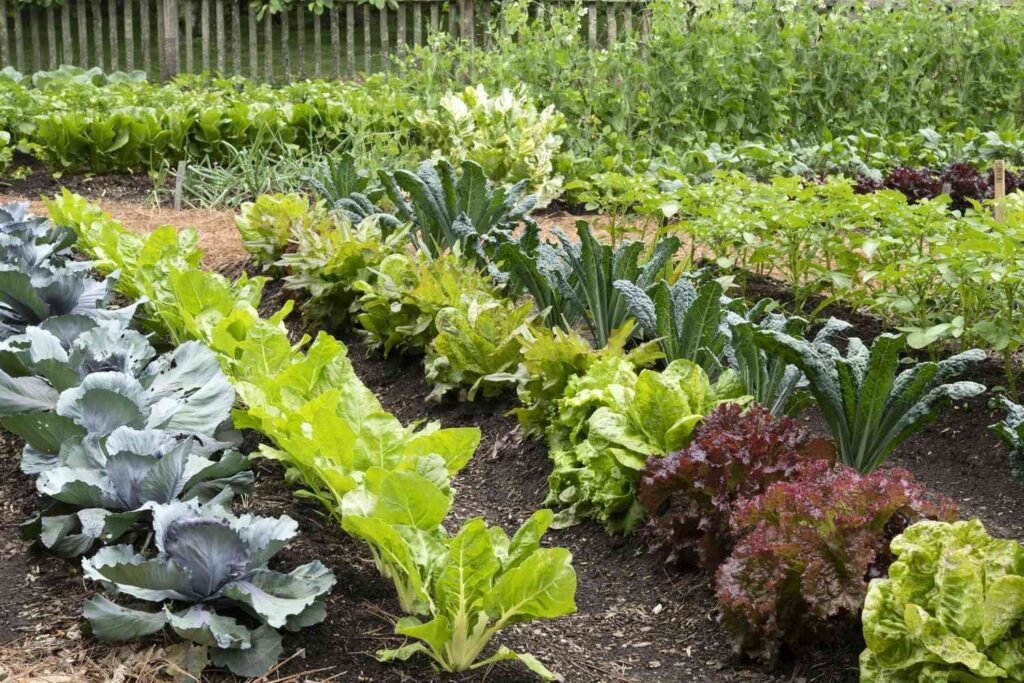
From what i have learned, the growing season in Montana is crazy short…like,only 60-90 days in some areas, For example, if you’re in Bozeman, the last frost may be in early June, and the first frost is in late August. So first, check the frost dates for your area. The Montana State University website has zonal maps that indicate where your area is in USDA zones 3 through 5. I think if I were there I would make a calendar, noting the possible weather changes for each month. A planning tip is to use weather forecast apps, like Weather Underground, to avoid sudden frosts. And yes, always have a plan B – switch to indoor options if the weather turns bad. Reading all this makes me think Montanans are really tough!
Choosing the right plants and vegetables; That go with the season:
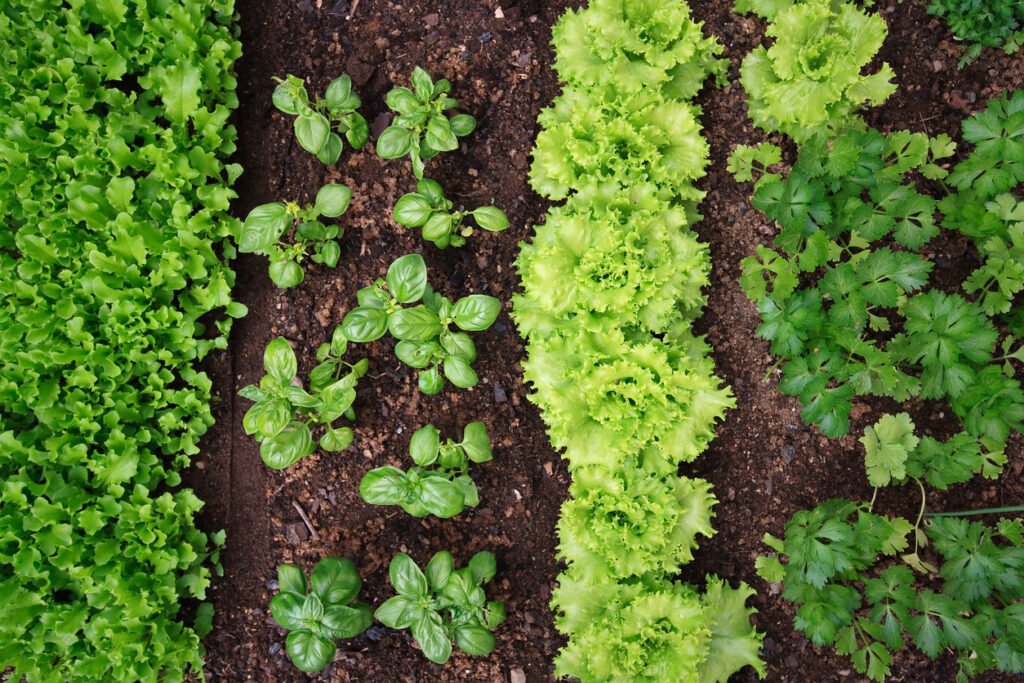
Now it comes to what to grow. Warm-season things like tomatoes or corn are hard to come by in Montana, but cool-season vegetables are made for it. My research found that lettuce, spinach, kale and arugula are the best – they are frost tolerant and mature quickly. Root vegetables like carrots, beets, radishes and potatoes are also great. Potatoes are a Montana specialty – plant the Russet or Fingerling varieties, which mature in 70-90 days. If tomatoes are desired, choose early-maturing varieties such as Siberia or Stupice, which bear fruit in 50-60 days. Beans, zucchini and cucumbers are also possible, but plant bush-type varieties that take up less space. As for flowers, hardy annuals such as pansies, snapdragons or coleus do well. I read in a blog that a woman planted herbs like basil and mint in her garden, which do well in containers. Remember, check the days to harvest on the seed packets – only take those less than 90 days. I think making that choice is half the battle, the rest depends on the weather.
Ways to Extend the Season; Tricks to Fight the Cold:
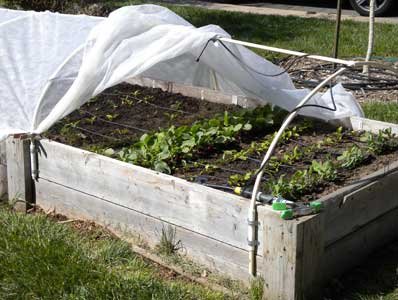
Montana’s short season is a challenge, but what do people do to make it last longer! A great method is indoor seed starting – sow seeds indoors in trays in February-March, using lights and heat mats, then transplant outdoors in May-June. It gives 4-6 weeks of benefits. Then raised beds – these are 6-12 inches above the ground, so the soil warms up quickly and drainage is better. When I saw the pictures, the vegetables in such beds looked very green. Cold frames or hoop houses are also great – these are small plastic or glass structures that act like a greenhouse. Start them early in the spring and run late into the fall. Cover plants at night with row covers or frost blankets – these are lightweight fabrics that protect against frost but allow light to pass through. Another tip: use devices like wall o’ water, which are cylinders filled with water that release heat during the day at night. Container Gardening – Move pots indoors if space is limited. Reading all this makes me wonder how many inventions people come up with to cheat the weather!
Soil and Water Management; Keep the Foundation Strong:
Montana’s soil is often rocky or clay-heavy, so it’s important to prepare it. add some compost, peat moss, or vermiculite to loose. Upnthe soil and get it nice and fertile.Aim for pH between 6.0 and 7.0, yeah?I read in an article to use soil test kits to check nutrients. If nitrogen, phosphorus and potassium are deficient, use organic fertilizers. When it comes to water, summers are dry, so install a drip irrigation system – this delivers water directly to the roots and reduces wastage. Water early in the morning or in the evening to avoid evaporation. Use mulch – covering the soil with straw, leaves or bark helps retain moisture and reduce weeds. Black plastic mulch is especially useful, as it also keeps the soil warm. If there is less rain, collect rain barrels. I find that ignoring these basics can ruin an entire garden, so pay attention from the start.
Protection from insects animals and diseases; Keep enemies away:
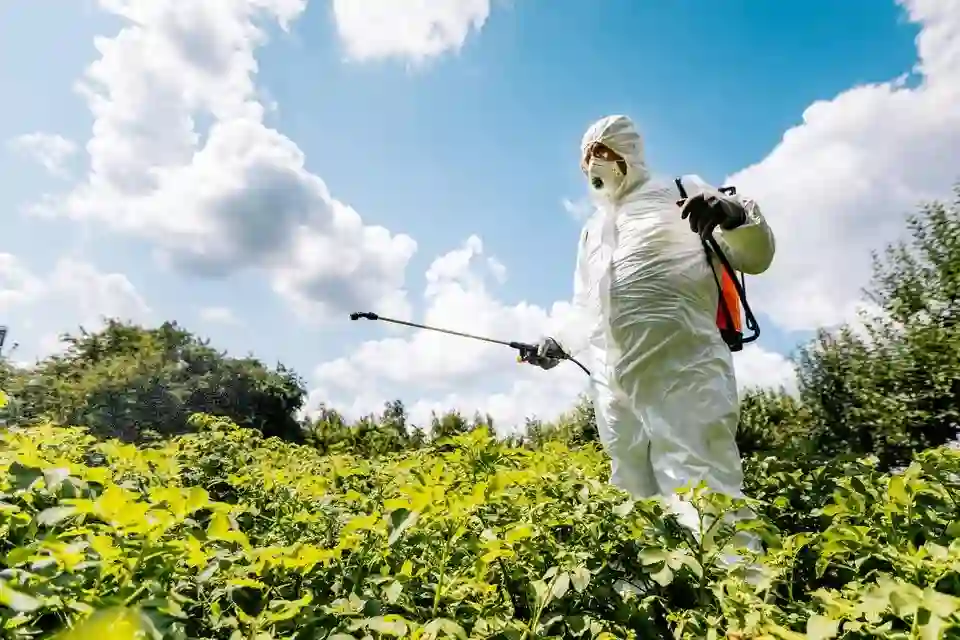
Insects are few in Montana because the weather is cold, but aphids, slugs or cutworms can occur. Use organic methods like neem oil sprays or attract ladybugs. To prevent diseases such as powdery mildew, give plants good spacing to allow air circulation. Now animals – deer, rabbits, squirrels are a big problem! Put up tall fences, or cover with netting. One woman said she uses motion-activated sprinklers that spray water to repel animals. And yes, bears can be in some areas, so keep the garden safe. It made me laugh to read that gardening is like a war out there, but winning is so much fun!
Fall preparation and planning for the next season:
Before the season ends, plant a second crop in the fall – sow radishes or lettuces in July-August and they will continue to grow until October. Plant garlic and bulbs in autumn, they strengthen the roots in winter. Clean up the garden, remove dead plants so that diseases do not spread. Compost the leftovers. Order seeds for next year and make notes of what worked and what didn’t. Gardening’s all about trial and mistakes, right? You learn something new every year, and thats what makes it so fun,So guys, that’s my Montana Gardening Guide. I tried to put in as much detail as possible, but remember this is all based on research, I’ve never been there. If you have your own experiences, share them, maybe I’ll write the next blog about it! Happy gardening, and take care of the weather🤗